


Basic science is the spark that turns bold questions into breakthroughs — uncovering the mechanisms of disease and unlocking entirely new ways to prevent, diagnose, treat and even cure them. By investing in basic science, we create the foundation for better options, better care and better lives for patients everywhere.
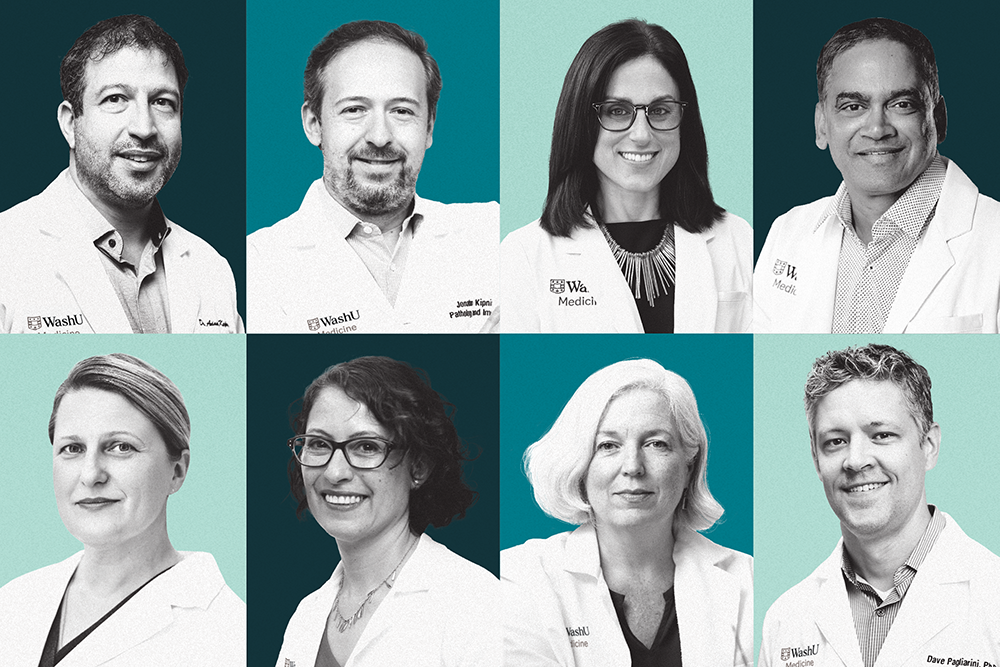
Meet the investigators
Before a diagnosis changes everything — before a cure can be found — challenging questions must be asked. Answers must be uncovered. A mystery must be solved. And to solve a mystery, you need investigation.
Launched in 2017 as a joint effort between WashU Medicine and BJC HealthCare, the BJC Investigators program brings together visionary scientists from around the world to do groundbreaking basic science here in St. Louis. Together, these WashU Medicine scientists’ bold approaches to fundamental biology have the potential to unlock new ways of understanding disease and developing treatments in the fields of neuroscience, microbiology, genetics and beyond.
Because when the future of medicine depends on solving the body’s toughest mysteries, it takes the courage to keep pushing forward in order to uncover answers that have yet to be found.
Adam Kepecs
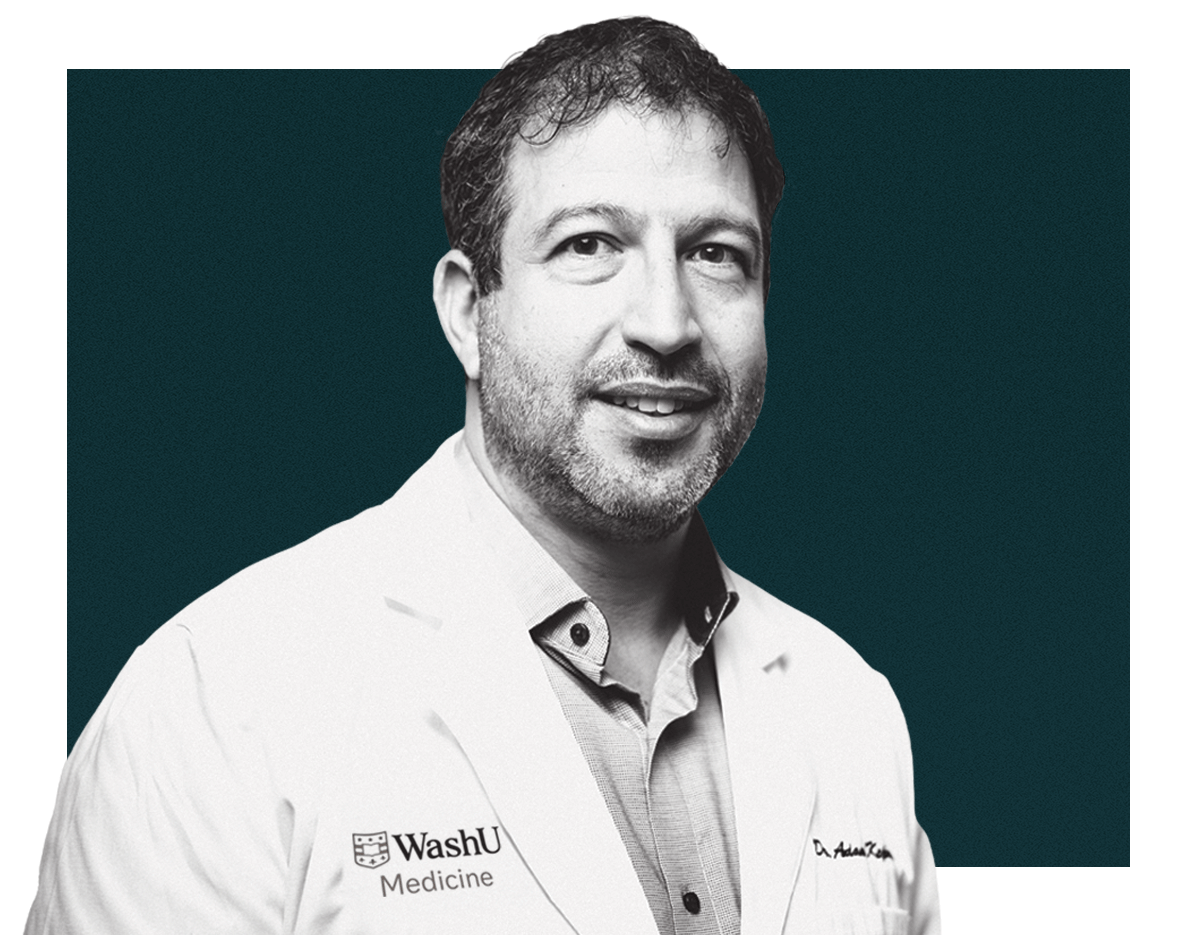
How does the brain make decisions — and why does it sometimes fail so spectacularly?
Adam Kepecs, PhD, approaches the brain like an engineer: Trace the wiring, identify the algorithms and locate the failure modes. Rather than starting with clinical symptoms, his lab asks what computations the brain performs — such as estimating confidence, gauging effort or inferring sensory reality, and then determines how brain circuits carry them out.
Kepecs, a professor of neuroscience and of psychiatry, pioneered a formal framework for studying confidence, transforming it from a subjective feeling into a quantifiable behavior. This made it possible to study confidence in animals and identify the underlying brain circuits, centered in the orbitofrontal cortex. When miscalibrated, animals behave as if persistently uncertain — a failure mode mirroring features of anxiety and compulsive disorders.
In a landmark study, his lab developed a method to test hallucination-like perception in mice, capturing a core feature of psychosis and revealing the underlying mechanisms. They linked hallucinations to high-confidence false beliefs that can be quantitatively measured, opening the door to objective behavioral diagnosis.
In 2024, Kepecs received the NIH Director’s Pioneer Award to study how immune signals shape behavior. His lab discovered an inflammation-sensing circuit that suppresses motivation, causing fatigue and apathy seen in late-stage cancer and pointing to how inflammation can drive depression.
By translating symptoms into computations and linking them to circuits, his work bridges human and animal research and points to objective diagnostics. Kepecs is reimagining psychiatry as an engineering discipline, framing mental illness as neural failure modes amenable to targeted interventions.
Jonathan Kipnis
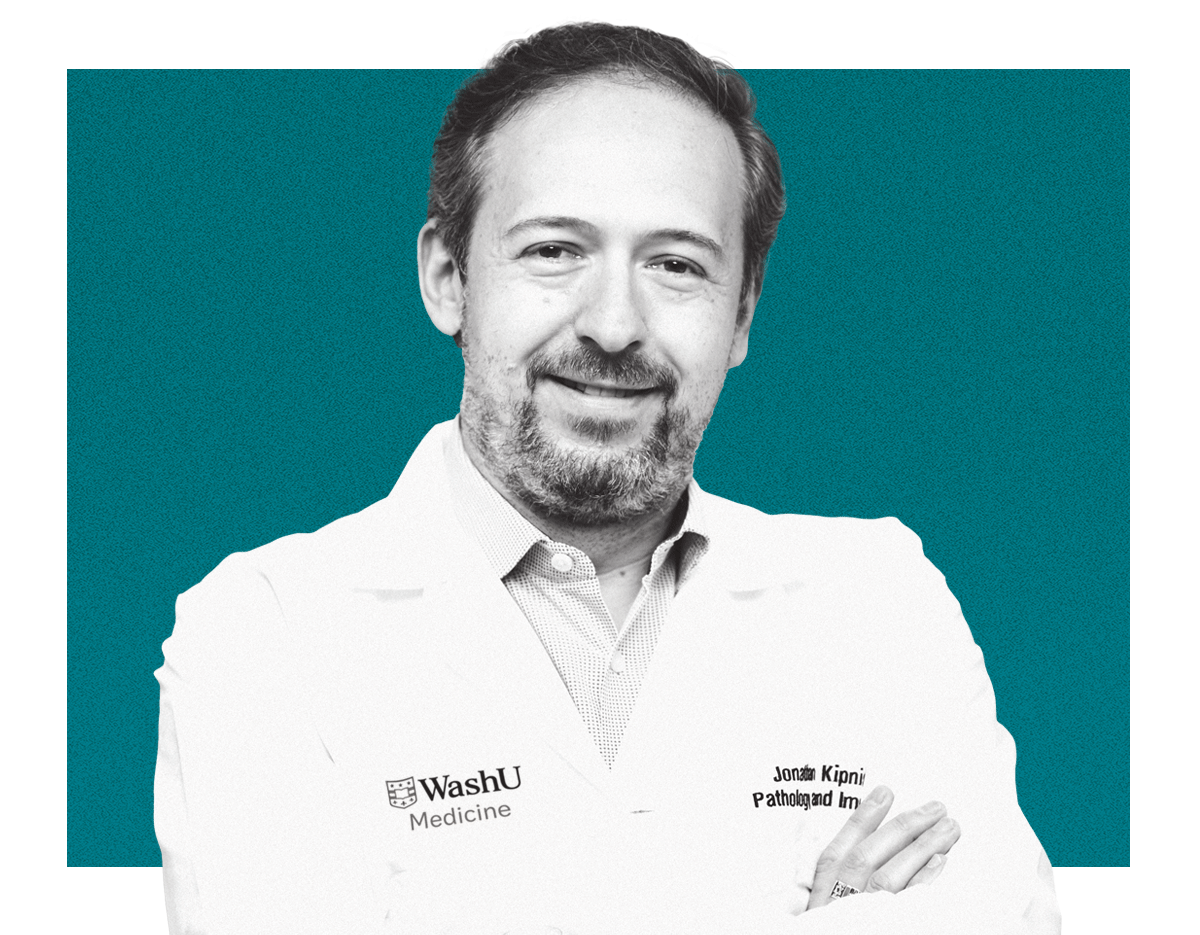
When his research upended conventional wisdom about our brains and our immune systems, Jonathan Kipnis, PhD, inadvertently gave the phrase “brain drain” an entirely new meaning in the process. As the Alan A. and Edith L. Wolff Distinguished Professor of Pathology and Immunology, Kipnis is an internationally renowned pioneer in the rapidly growing field of neuroimmunology and a member of the National Academy of Medicine.
Up until 2015, science held the belief that the brain had no direct connection to the immune system. But Kipnis’ groundbreaking research led to the discovery of meningeal lymphatic vessels in mice: a drainage system that clears waste and immune cells from the brain. This revelation forever changed the way scientists understand brain health, disease and the intimate dialogue between the immune and nervous systems.
Since then, Kipnis has led the way in deciphering the functional aspects of meningeal lymphatics. His studies also show that clearing waste more efficiently can rejuvenate memory and cognitive function, even in aging brains. By demonstrating that neurons themselves help flush waste during sleep, his lab is illuminating surprising new strategies to protect and restore brain health.
Tapping into this “drainage system” could unlock entirely new therapeutic approaches for Alzheimer’s and other neurodegenerative diseases, and even psychiatric disorders such as anxiety, depression, autism and schizophrenia.
By mapping the brain’s links to the immune system, Kipnis is moving the entire field from belief to evidence — and from evidence to new possibilities for care.
Polina V. Lishko
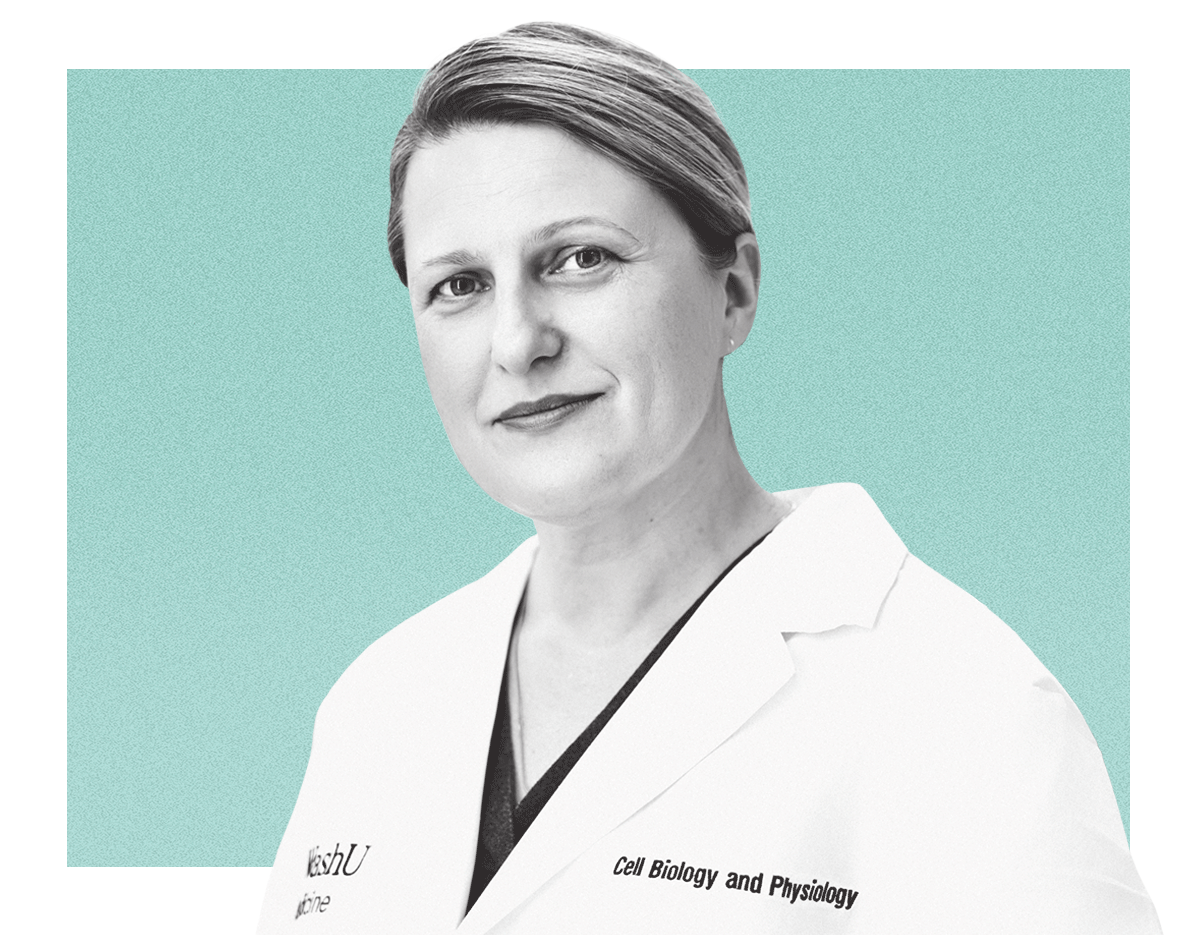
Built on variety, versatility and visionary thinking, the work of Polina V. Lishko, PhD — a molecular biologist and entrepreneur — has vastly advanced the fields of reproductive biology, vision and neurodegeneration.
As a professor of cell biology and physiology, Lishko’s research challenges long-held assumptions and reshapes our understanding of the body’s most intricate systems, paving the way for developing more effective treatments that work with the body’s natural design.
Lishko’s landmark discovery of a molecular switch that activates sperm — what Popular Science dubbed “a spermostat” after Lishko’s finding that this switch is temperature-sensitive — upended decades of reproductive science. Now, her discovery of sperm cell protein receptors that “rev up” and even slow down these swimmers is guiding the development of nonhormonal contraceptives — an urgently needed option for millions worldwide.
Lishko’s lab is also uncovering why menopause increases the risk of Alzheimer’s disease in older women by studying whether the drop in sex hormones during menopause changes fluid flow and waste removal in the brain.
Incredibly, her work also includes the fight against blindness. Early in her career, Lishko identified a potential eyedrop-based treatment to prevent age-related macular degeneration, a leading cause of blindness in people over age 60. This led to co-founding a startup to help bring this innovation to patients.
Recognized as part of the 2025 Equalize Startups therapeutics cohort — a nonprofit supporting the disparity of women in academic investors launched in part by WashU faculty — Lishko’s science is bold, her approach is intrepid and her discoveries are changing lives.
Carolina López
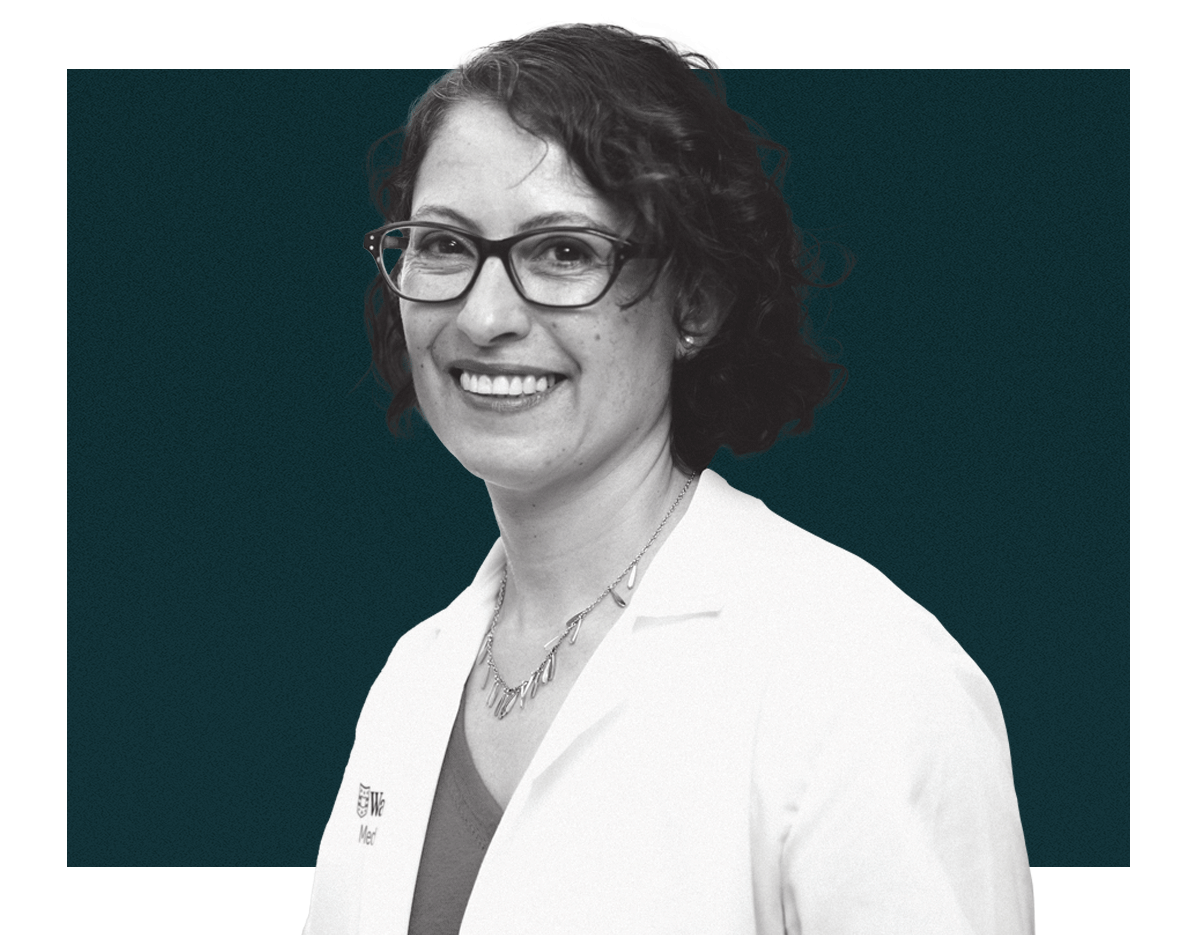
Even when the symptoms of an infection are long gone, some viruses don’t leave quietly. They linger in the body, hidden inside the very immune cells meant to destroy them. But under the microscope of Carolina López, PhD, they can’t hide for long.
The Theodore and Bertha Bryan Professor of Environmental Medicine and a professor of molecular microbiology, López has built a distinguished career studying how defective copies of viruses interact with the immune system during infection, uncovering the secret strategies viruses use to outlast and outmaneuver the immune system.
In breakthrough research, López and her team found that even after symptoms fade, viruses persist inside lung immune cells, influence the immune system and even pave the way for chronic conditions or future illness. The big questions: Why do some infections spiral out of control, leading to dangerous complications, while others resolve themselves, and how can the body’s initial response to infection shape a better outcome?
Her findings are already opening doors to better prediction, smarter prevention and more targeted treatments for serious viral diseases. Internationally recognized for her expertise in respiratory viruses such as respiratory syncytial virus (RSV) and parainfluenza viruses, López is especially focused on research to protect children most vulnerable to severe respiratory disease.
As a member of the American Academy of Microbiology, López is also exploring how different viral forms influence immune memory and viral evolution. By studying defective viruses, her lab is developing smarter, longer-lasting vaccines to help us outsmart viruses for good.
Helen McNeill
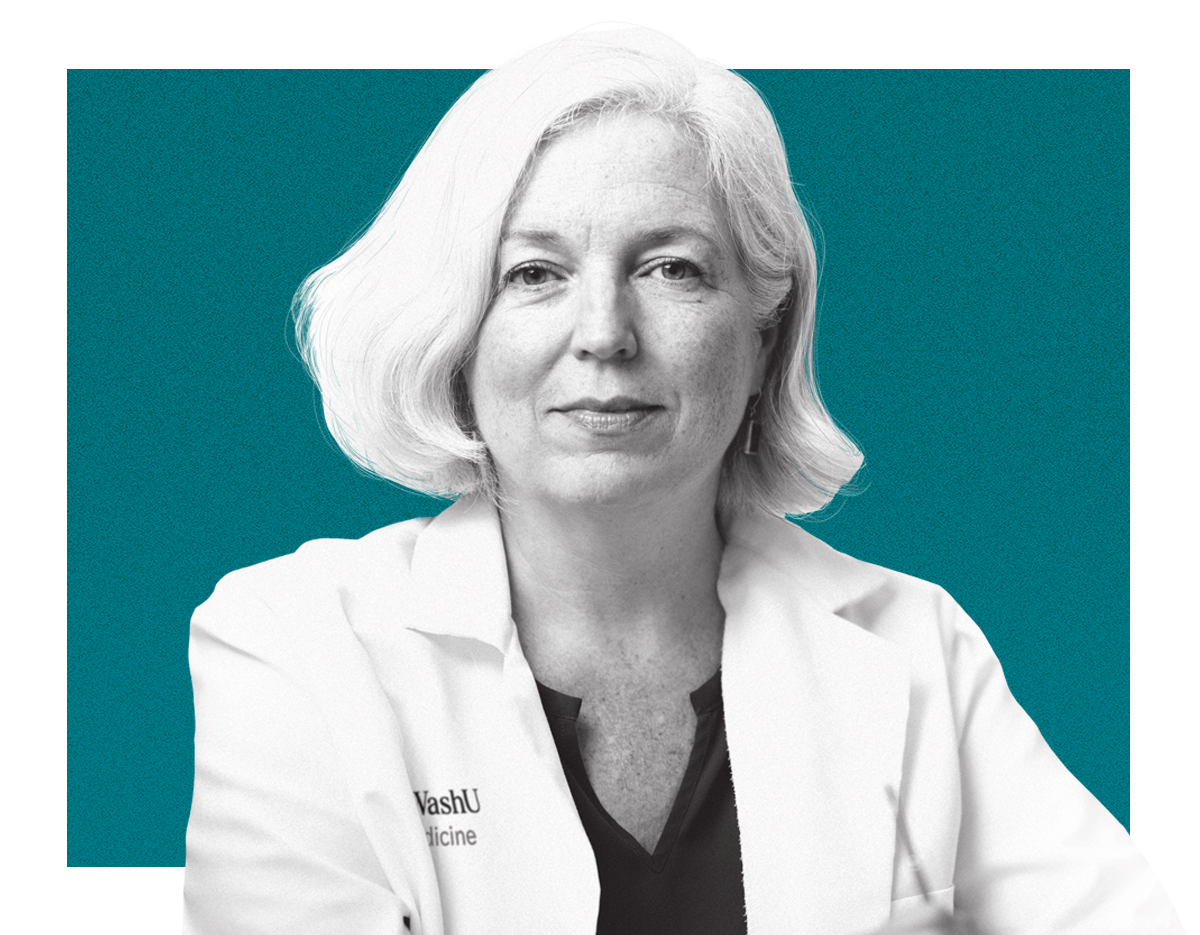
It’s fitting that Helen McNeill, PhD, was the very first researcher named as a BJC Investigator. Her life’s work has always focused on the beginning — the earliest stages where life takes shape, cell by cell, signal by signal. Her research targets molecules named giant cadherins, which send precise molecular signals guiding other cells where to go, when to stop and when to grow during the earliest stages of embryonic development — like a cellular traffic cop.
As the Larry J. Shapiro and CarolAnn Uetake-Shapiro Professor of Development Biology and president-elect of the Society of Developmental Biology, McNeill is internationally recognized for her leadership in deciphering how healthy development unfolds.
In early development, cells divide, migrate and assemble in perfect sequence to build the complex structures within our bodies. But when this process is disrupted, it can lead to several lifelong consequences: spina bifida, infertility, kidney defects, urinary tract malformations, cancer and more. By studying these tiny molecular giants inside fruit flies, mice and human genetic datasets, her team implicated flawed giant cadherins as the culprit. This finding links a wide range of disorders to one molecular pathway and is steering research toward ways to correct or bypass the defect. It’s a single target with the potential to change the outcomes for millions.
As a fellow of the Royal Society of Canada and the American Association for the Advancement of Science, her studies have also illuminated how cells actually sense their own spatial orientation. This crucial work is shaping new possibilities for diagnosing and treating complex conditions at their roots — not just after they appear, but before they even begin.
Dave Pagliarini
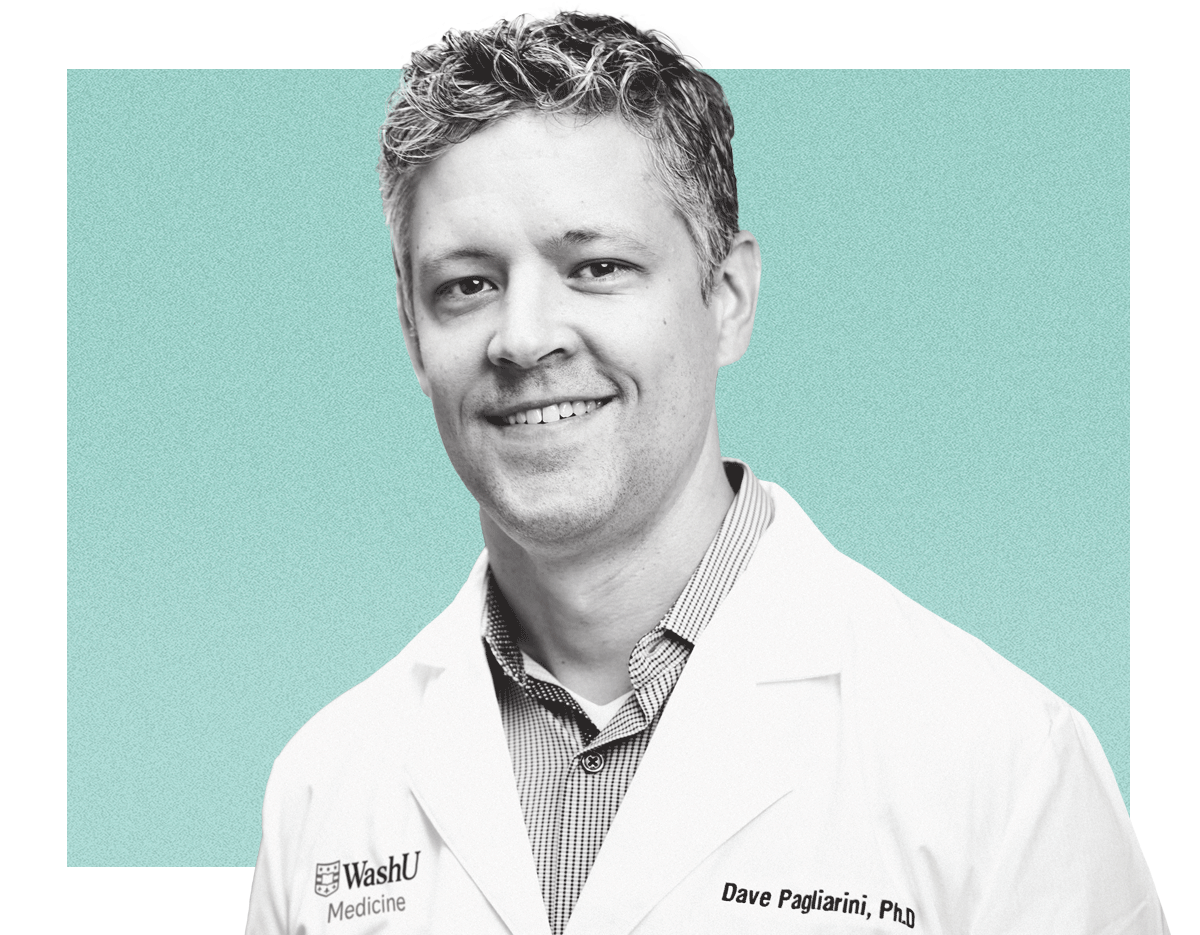
Dave Pagliarini, PhD, is a detective of diseases in his powerhouse lab. And mitochondria — traditionally known as the powerhouse of the cell — are his prime suspects. That’s because, for Pagliarini, mitochondria are the gateway to understanding, diagnosing and ultimately treating some of the most challenging and severe afflictions of our time.
As the Hugo F. and Ina C. Urbauer Professor of Cell Biology and Physiology, Pagliarini is internationally recognized for his leadership in mitochondrial biology. His research has helped identify the genetic underpinnings of mitochondrial diseases, a diverse and often devastating group of disorders that are notoriously difficult to diagnose and treat.
Pagliarini’s work focuses on untangling the complex fundamental biology of mitochondria: how they function, how they fail and how their dysfunction contributes to disease. His lab also develops cutting-edge tools to systematically study mitochondrial proteins, enabling researchers worldwide to uncover how these tiny organelles communicate with the rest of the cell and respond to physiological stress across different tissues.
By rigorously mapping the roughly 1,500 genes that encode mitochondrial proteins — known as the MitoCarta compendium, which has been cited over 2,400 times — his research has laid the groundwork to discover new mitochondrial functions. This has helped define the genetic basis for multiple mitochondrial disorders, providing an invaluable foundation for future therapies.
As a recently named Howard Hughes Medical Institute Investigator, Pagliarini is continuing to explore the intricate roles mitochondria play in keeping cells — and people — alive and healthy. His work is reshaping the field from basic discovery to a true powerhouse of possibility.
Jennifer E. Phillips-Cremins

Bob Dylan once sang, “Take care of all your memories, for you cannot relive them.” For Jennifer E. Phillips-Cremins, PhD, memories aren’t spectral moments floating in the ether of our minds — they’re built and highly structured. And they can be cared for.
A trailblazer in 3D genome biology, Phillips-Cremins has transformed how scientists think about genetic regulation in the brain. Her pioneering research proves the genome’s spatial folding isn’t random at all, but a critical design feature directing the assembly of neural circuits and governing how memories are stored over time. When this intricate folding is compromised, the consequences could ripple into memory disorders and neurological disease.
As the James McDonnell Professor of Genetics and a professor of neuroscience, Phillips-Cremins is leading a bold effort to chart the physical organization of the genome and its sweeping influence on brain development, function and memory.
As the most recently named BJC Investigator, she joins an elite group of scientists recruited to tackle some of biology’s most complex questions. Her lab’s work combines genome engineering, biophysics and neuroscience to illuminate how memory is encoded at the molecular level and how these processes might one day be manipulated to treat cognitive disorders.
Internationally recognized for her innovative contributions, Phillips-Cremins has been honored with the NIH Director’s New Innovator and Pioneer Awards. Phillips-Cremins is not just studying memory — she’s uncovering the very architecture that holds it all together, finding all the ways to protect and care for the most precious memories we cannot relive.
Kodi S. Ravichandran

Every day, the human body quietly clears away more than 200 billion dying cells. It is a life-sustaining cleanup on a massive scale that typically goes unnoticed within every tissue and organ.
For Kodi S. Ravichandran, PhD, these invisible processes help understand chronic inflammation, neurodegenerative disease, immune disorders and cancer progression. His research finds that the cleanup of dying cells is essential for immune balance and shapes how tissues repair and regenerate after injury.
A world leader in innate immunity — the body’s first line of immune defense — Ravichandran has transformed the field with his trailblazing work on efferocytosis, the process by which dead cells are cleared to prevent harmful inflammation. His discoveries have helped explain how failures in this system can lead to devastating diseases such as atherosclerosis, colitis and respiratory disorders. His work is also opening new avenues for mitigating Type 1 diabetes or enhancing immune responses against cancer.
As the Robert L. Kroc Professor of Pathology and Immunology and director of the Division of Immunobiology, Ravichandran has earned global recognition for identifying the molecules and metabolites that guide immune cells to dying cells, clearing debris while promoting tissue regeneration.
Ravichandran continues to advance the future of immunology by seeking new therapies to resolve chronic inflammation, promote immune resilience and turn the body’s first defense into one of its greatest allies. For him, the way our bodies take out the cellular trash is not just a routine maintenance task but rather a master key to tissue restoration and long-term health.
Published in the Autumn 2025 issue