


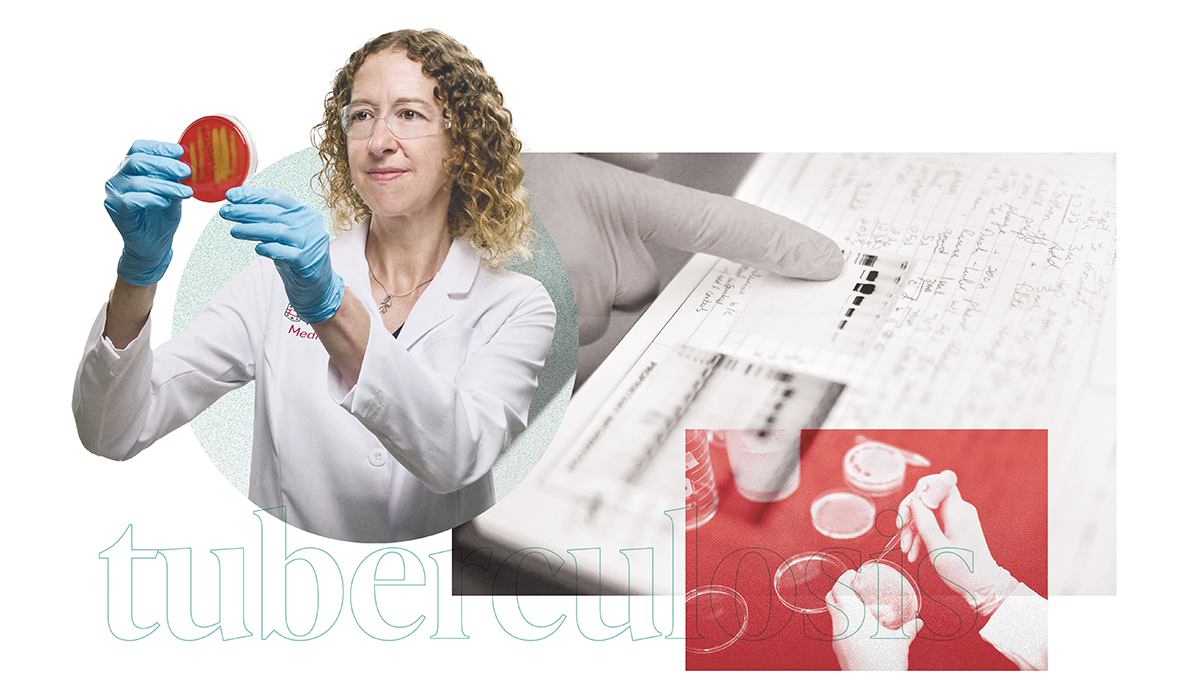
At WashU Medicine: 2010-present
Theodore and Bertha Bryan Professor in Environmental Medicine, Department of Molecular Microbiology
Christina Stallings, PhD, is confronting the world’s deadliest infectious disease — tuberculosis (TB). By finding new ways to make existing antibiotics more powerful, she is reshaping the fight against drug resistance and advancing new treatments for a disease that kills nearly 2 million people annually. After decades of decline, TB cases are once again rising worldwide, making her work more critical than ever.
A molecular microbiologist and national leader in infectious disease research, Stallings studies how TB bacteria survive for decades inside the human body, evading immune attacks and resisting antibiotic treatment. Current therapy requires patients to take four antibiotics for at least six months — a long and difficult regimen that often fails, especially against drug-resistant strains. She has uncovered the mechanisms TB uses to shield itself, and her research is finding ways to disrupt those defenses. She holds three patents for TB therapies that interfere with the bacterial stress responses that allow the pathogen to sidestep antibiotic drugs.
Her team’s groundbreaking discovery of a compound that prevents and even reverses resistance to isoniazid, the most widely used TB drug, could shorten treatment regimens and improve outcomes for millions of patients worldwide. Her research also informs next-generation treatments, called host-directed therapies, which harness the body’s own immune system to fight infection.
With a focus on turning laboratory discovery into lifesaving treatment, Stallings is advancing a global fight against one of humanity’s oldest — and most persistent — diseases in ways no one else has.
Published in the Autumn 2025 issue